
Chamblee Resident Records Compared
No single public roll lists every person in Chamblee. A useful resident lookup combines records made for different public tasks. The DeKalb tax roll ties an owner to land. A deed proves a transfer. Court indexes connect a named party to a case, while vital and probate records can support a family link. Voter records have their own access rules. Start with the record that answers the question, then confirm it elsewhere.
| Record | What It Confirms | Where | Access |
|---|---|---|---|
| Tax parcel | Owner, property and mailing address | DeKalb Property Appraisal | Free; owner may not occupy it |
| Voter record | Personal status or lawful public fields | My Voter Page or election custodian | Protected data withheld |
| Court docket | Party, case type, dates and status | Georgia court eAccess and clerk | Participating courts only |
| Marriage or death | Event and family link | Probate Court, DPH or archives | Modern copies restricted |
| Business or license | Filed role, address or credential | Georgia Secretary of State | Affiliation, not residence |
If the known fact is an address, the assessor can supply an owner name and parcel. If it is a name, court, business, and professional indexes may provide dates or roles that distinguish people. For family history, probate, marriage, death, newspapers, and archives are stronger than a current owner roll. A no-hit is not proof that someone never lived in Chamblee, especially for renters and household members with no record in their own name.
Check Chamblee Court Parties
Chamblee names can appear in several courts. Municipal Court handles city ordinance and traffic cases. DeKalb Magistrate, State, Superior, and Probate courts each keep distinct files. The statewide eAccess page is a directory to systems, not one complete index. DeKalb's Tyler portal may offer party or case search, but the clerk remains custodian of the file.
Search fields can include case number, surname, first name, court, date range, case type, and status. A result may show the court, case number, caption, filing date, party roles, lawyers, docket events, judge, and disposition. It will not fully expose juvenile, adoption, sealed, or other confidential material.
| Field | Best use |
|---|---|
| Case number | Strongest match when known |
| Last and first name | Test spelling and variants |
| Court and case type | Limit results to the right jurisdiction |
| Filed date and status | Separate similar names by timing |
A same-name result needs another marker. Compare a middle name, related party, filing date, public address, and a second official record. For pleadings or a certified disposition, give the clerk the court, case number, and document title.
Chamblee Lookup Archive Paths
When a modern resident lookup becomes family research, the DeKalb History Center holdings offer Chamblee district material, directories, newspapers, court-related files, photographs, and oral histories.
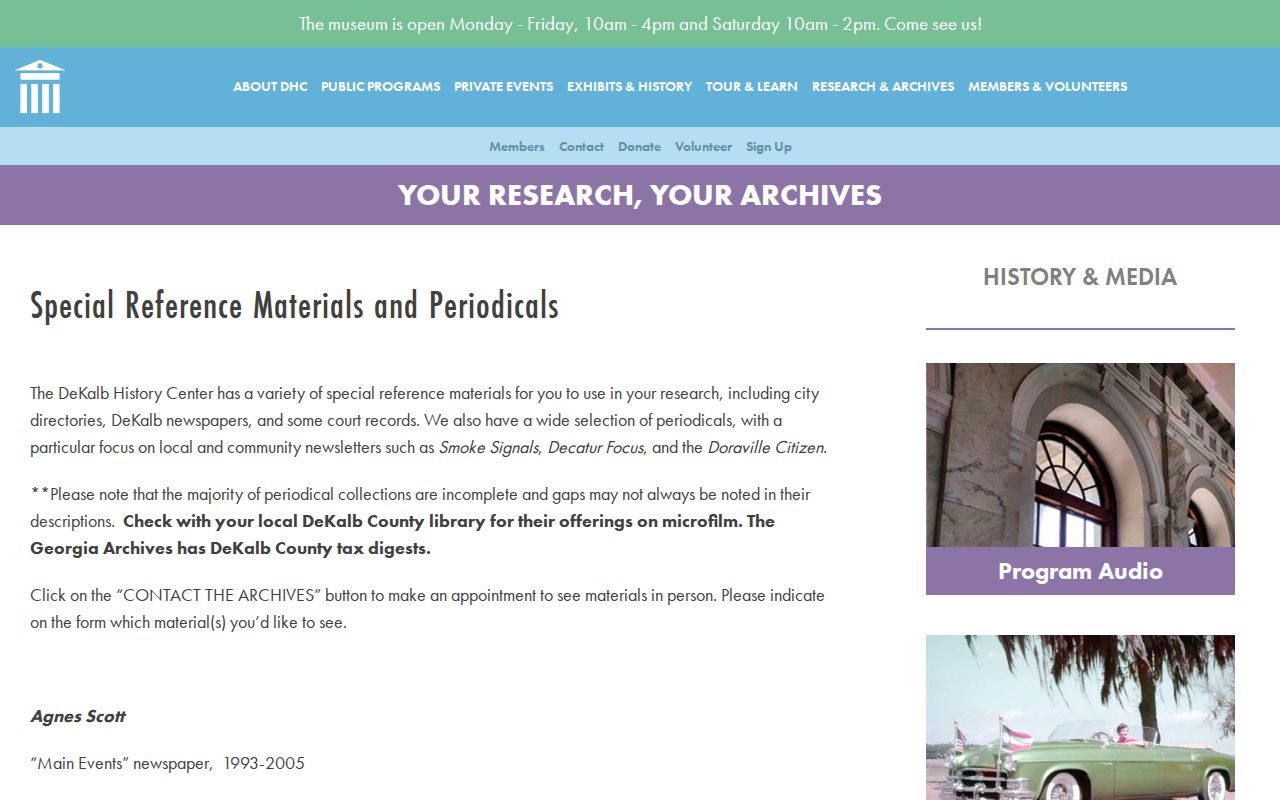
The holdings page helps identify a collection before an archive appointment, which matters when no modern name index exists.
The Georgia Archives adds county records, catalogs, and research services for older evidence.
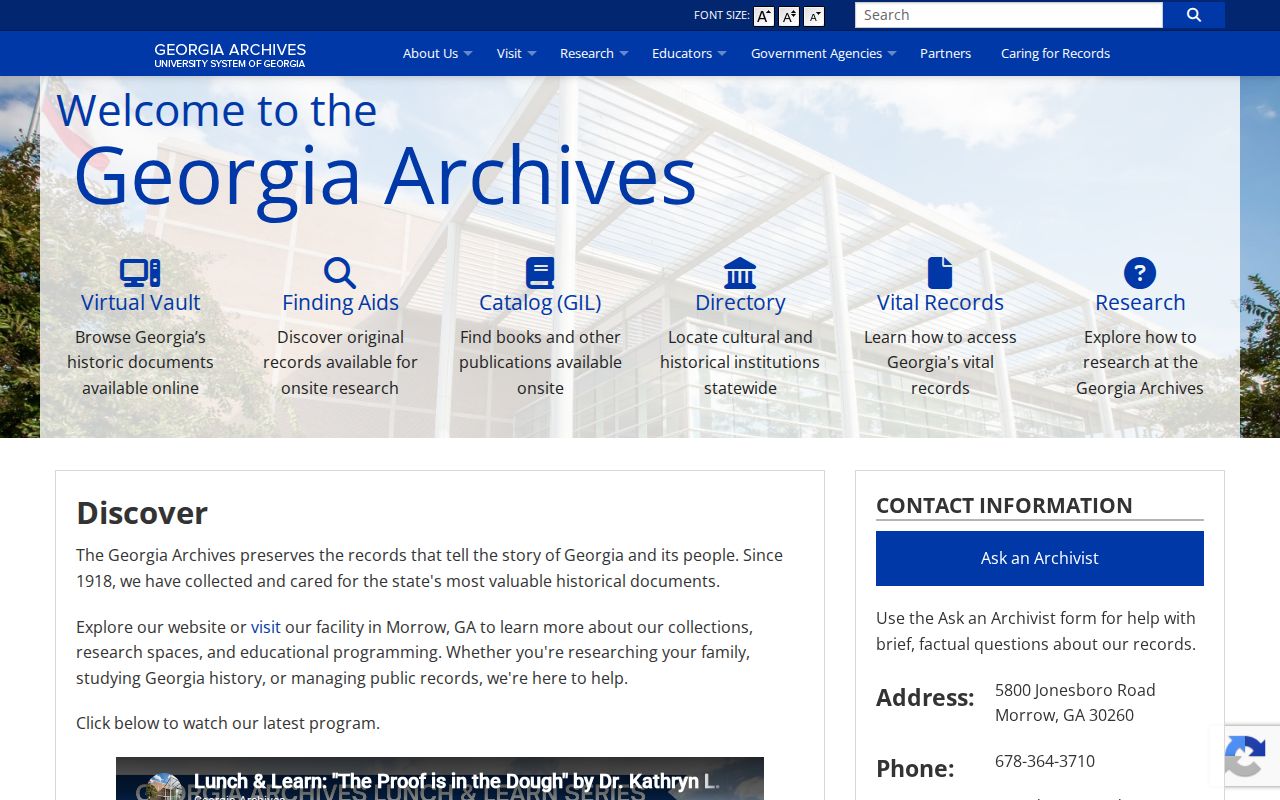
Its catalog can point from a Chamblee name to a record group that must be read in context.
Digitized historical records can also be searched through the Georgia Archives Virtual Vault.
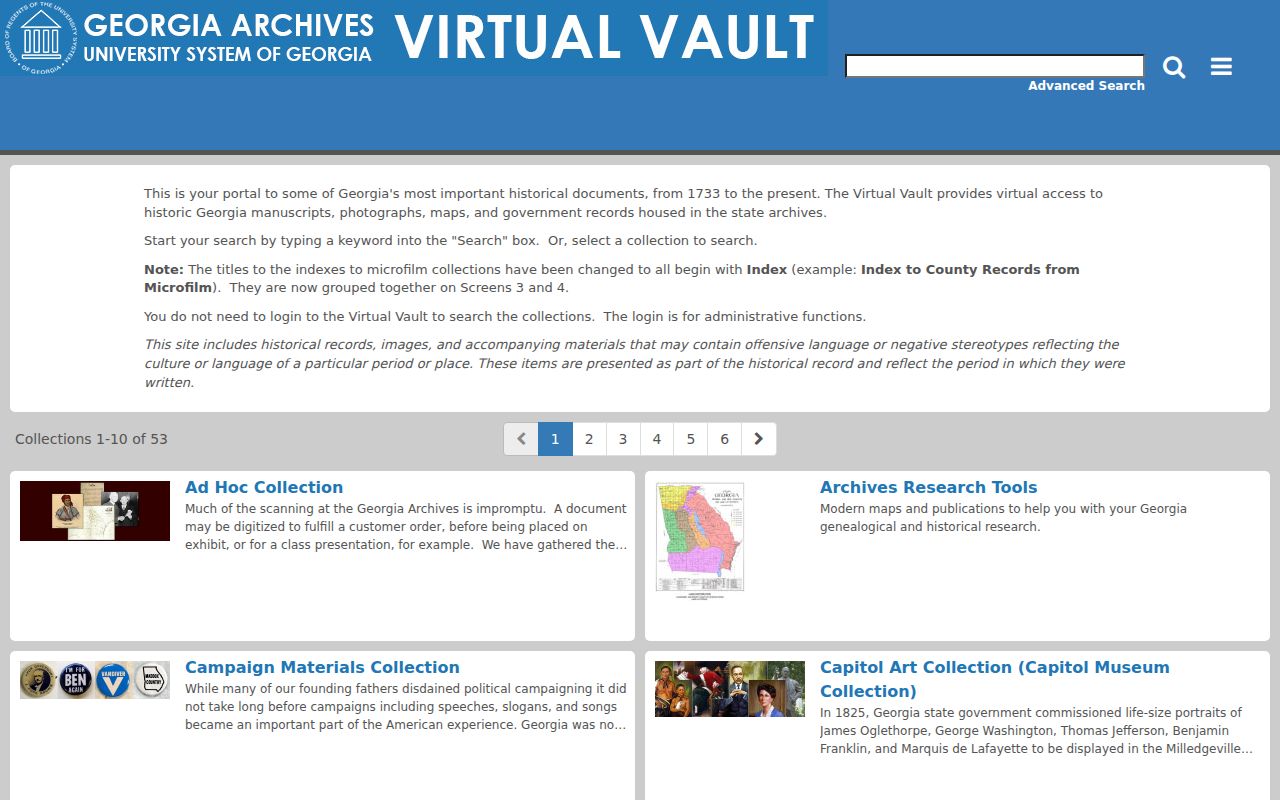
Historical Georgia death certificates through 1943 can connect a Chamblee name to an event and family network.
Verify a Chamblee Resident
Use two independent records to anchor identity. This is vital in Chamblee, where compound surnames, spacing changes, transliteration, and high mobility can create false matches. Keep the exact spelling from each source, but search reasonable variants. A parcel ID, case number, date, or family event is more useful than county and name alone.
- Search the DeKalb assessor by owner name. Record both the situs address, meaning the property's location, and the owner's mailing address.
- Confirm the transfer date and party name in the DeKalb deed index, whose public web coverage begins in 1979.
- Search the correct court by party name and variants. Match the date, role, and another identifier.
- Use a marriage, death, probate, business, or license record only for the fact it was designed to show.
- Request a certified copy from the custodian when formal proof is needed. An index entry is only a finding aid.
- Docket
- The court's dated list of filings and events in one case.
- Index vs image
- An index points to a record; an image shows the filed document.
- Certified copy
- A custodian-issued copy with official proof that it matches the held record.
The process should end with a reasoned match, not a pile of name hits. If key facts conflict, keep the people separate and seek the underlying record.
Confirm Chamblee Voter Status
Georgia My Voter Page lets a voter check their own registration, polling place, districts, and sample ballot by entering matching identity data. It is not a public street roll. DeKalb residents may also call Voter Registration and Elections at 404-298-4020.
A requested public voter list is separate. Georgia law generally opens names and residence addresses, but withholds full birth dates, identification numbers, and protected addresses. It may show participation in an election, never a ballot choice. Georgia does not register voters by party. In July 2026, DeKalb warned voters to distinguish official notices from third-party mail and verify through My Voter Page.
Chamblee Family Record Links
A resident lookup for an heir can move from a deed or old address to a Probate Court estate caption, petition, or notice, then to an obituary. These records may identify relatives, but living-person details require care. Classmate research can use DeKalb library yearbooks and alumni material. Adoption and birth-parent searches should follow Georgia's confidential official mechanisms.
Modern birth and death certificates are restricted. Georgia DPH requires identity and eligibility, and offers online, mail, and local or county request routes. Marriage licenses come from DeKalb Probate Court, while divorce decrees come from the Superior Court clerk. Historical death certificates through 1943 use the archives route.
Confirm Chamblee Filed Affiliations
The Georgia business search can connect a name to an entity, status, registered agent, principal office, and filing history. Search by business name, control number, or registered agent. The professional license search can confirm a credential by profession, name, or license number.
These are affiliation records. A registered office or practice address may be an office, agent location, or mailing point, so it does not prove residence. When no searchable local register exists, send a narrow Georgia Open Records Act request to the city or clerk.
Local filings have limits too. Chamblee business-license records may contain a business and responsible-party field, but the research did not confirm a complete public online register. DeKalb trade names route to the Superior Court clerk, and historical online coverage must be checked before relying on a no-hit. A Georgia Bar listing shows membership status and professional contact details, not a home. In each case, note what the address means before adding it to an identity match. A filing address can still distinguish two people with the same name, but it should support a match rather than stand alone.
Correct Chamblee Source Records
An error should be corrected with the office that created the record. The assessor handles parcel data. The Superior Court clerk holds deeds and court files. Elections staff handle registration, and state boards handle licenses. Correcting one source does not update every copy.
When no portal provides a record, send a focused request under the Georgia Open Records Act. Identify the record series, dates, name, case or parcel number, and format. Agencies generally must respond within three business days, though they may give a production date or cite an exemption.
Ask for an existing record, not an answer or a new list. Georgia law does not require an agency to create a report that it does not keep. Chamblee's GovQA portal separates City requests from Police requests and gives account holders a way to track a request and download a release. If a city permit, code case, council record, or local license is the missing link, include the exact address and a tight date range. Deeds, the tax digest, voter files, and state vital certificates still belong to their county or state custodians.
Chamblee Resident Lookup Limits
Public access is record specific. Vital certificates have eligibility rules. Courts withhold sealed, juvenile, adoption, and protected material. Driver records are not a public address directory. VoteSafe shields qualifying voter residence addresses. Georgia Safe at Home, launched July 1, 2026, adds a substitute address, mail forwarding, and a sealed voter address for eligible people at risk.
These limits explain why a careful lookup may stop. Commercial compiled tools can be stale or merge people, so they are not official proof. Verify with the custodian and respect a protected person's privacy.
Suppression from a commercial compilation does not erase the source record, and correcting a source does not force every compiler to refresh at once. Keep confirmation emails when using an opt-out process and avoid sending more identity material than is needed. For official records, ask the custodian about its correction process. For deceptive practices or identity theft, Georgia's Attorney General consumer-protection channel is the appropriate state route.
Lawful use. A Chamblee resident lookup is for lawful personal research. Never use a record to stalk, harass, threaten, or harm anyone.